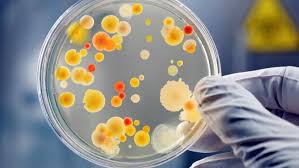
What is food Poisoning?
Food poisoning is an illness caused by eating foods contaminated by germs (parasites, bacteria, viruses) and toxins. A contaminated food may still look appetizing. If one person gets sick from eating contaminated food, it's an incident. However, if multiple people get sick, it's an outbreak.
Symptoms of Food Poisoning
-Vomiting
-Diarrhea (bloody stool)
-Fever (>102F/>38C)
-Headache
-Nausea
-Cramps in the stomach
-Exhaustion and muscular pains
Causes of Food Poisoning
-Poor personal hygiene
-Dirty environment around food
-Chemicals around food
- Cross-contamination
-Poor cooking (food not cooked to the right temperature)
-Improper storage of food
-Contamination from animals and pests
Managing Incidents and Outbreaks
-Symptoms of food poisoning typically appear between 2 hours and 3 days and may last from a few hours to a few days.
-If you show any symptom of foodborne illness, seek medical attention!
-If you suspect that the food eaten is the cause of your illness, report what you ate and where you got it from.
-Cooperate with the Food and Drugs Authority (FDA) and local Environmental Health Department during investigations
into the cause of the incident.
-Do not throw the food away. Keep it in the freezer for lab analysis.
-Subsequently, handle food properly to prevent food poisoning.
Prevention of Food Poisoning
-Keep clean
Ensure food is free from dirt and contaminants that can be found on hands, food-contact surfaces, utensils, and tools used in preparation, as well as storage areas like fridges and storerooms. Frequently wash hands, and clean and sanitize all food-contact surfaces.
-Separate raw and cooked foods.
Raw foods like fresh vegetables, fish, and poultry products like eggs and chicken have a high microbial load and therefore should not encounter ready-to-eat foods like bread, cooked rice, etc. Further, equipment (example, knife, cutting board, blender, etc.) used to prepare raw foods should not be reused for already cooked foods or foods that are eaten raw.
-Cook and reheat foods well.
All foods should be cooked thoroughly (especially meat, fish, and chicken until the flesh and juice are clear and not reddish or pink). Leftovers should be reheated well, and stews/soups should be brought to a boil before eating.
-Keep foods at safe temperatures.
It is crucial to keep foods at safe temperatures because harmful bacteria multiply rapidly in the “danger” zone between 6°C and 60°C. Cooked foods should be kept hot and cold foods kept refrigerated or on ice, while perishable foods should be stored below 5°C to slow down bacteria growth.
-Use wholesome raw materials and buy from clean areas.
Avoid buying food produce and ready-to-eat food from unhygienic places. These include buying foods sold near choked and uncovered gutters, overflowing dumpsters, and public toilets.
Sources
1. FDA