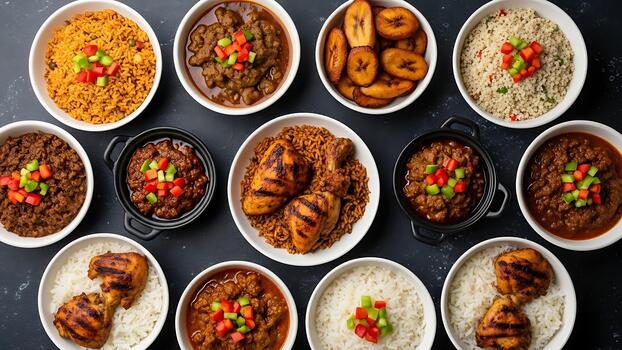
Good nutrition doesn’t have to be complicated or expensive — it starts with what’s already on your table. The key is balance, and you can get it using foods grown right here in Ghana.
Here’s how to build a balanced plate:
1. Fill half your plate with vegetables and fruits
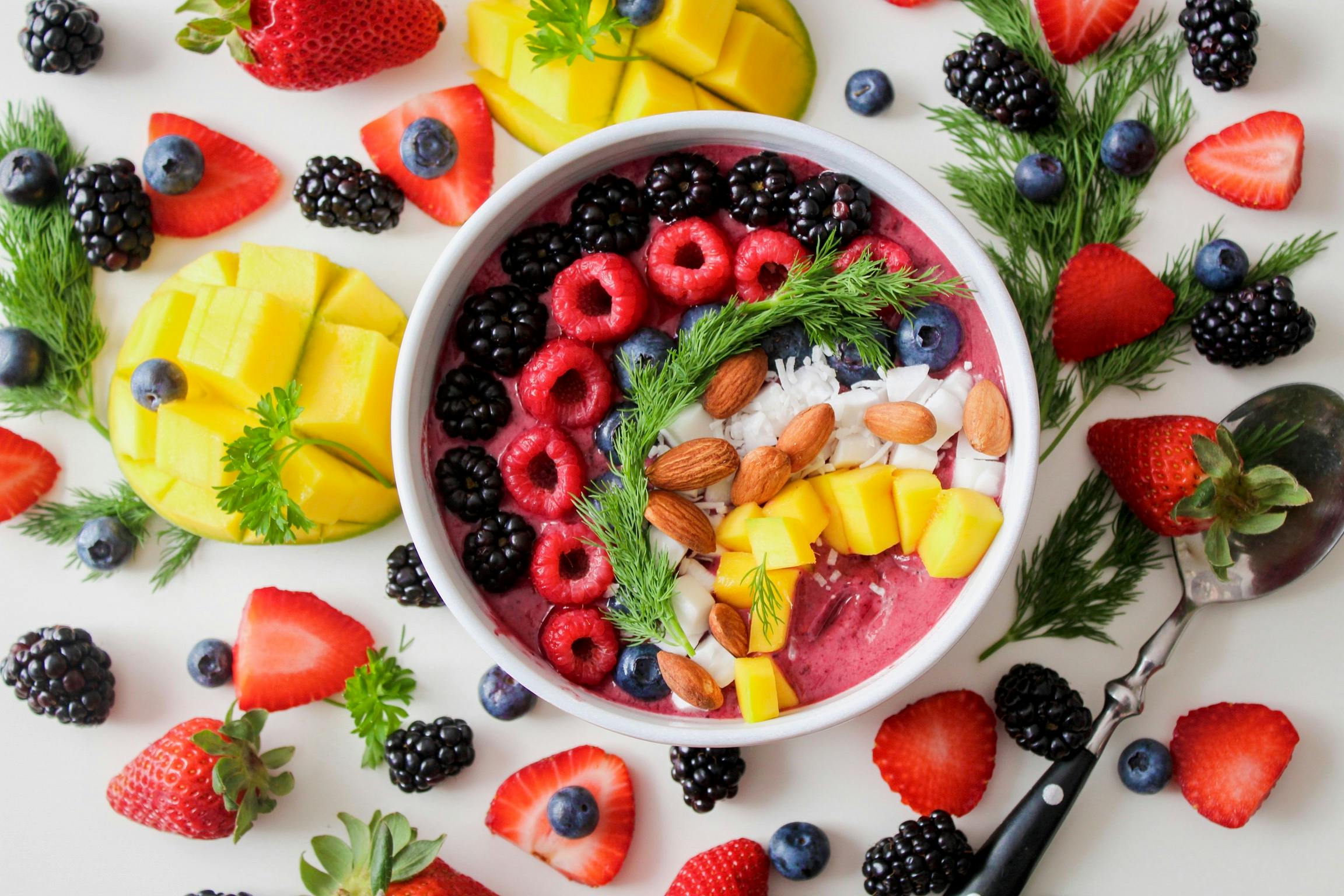
Add kontomire, aleefu, garden eggs, okra, tomatoes, and onions to your stews and soups. For snacks or after meals, go for mangoes, oranges, pawpaw, and avocado when they’re in season. These provide vitamins, fiber, and minerals that help your body fight off illness and keep your digestion smooth.
2. Add a good source of protein
Protein helps you grow, stay strong, and recover from illness. Include fish, eggs, beans, groundnuts, dawadawa, chicken, or goat in your meals. Even small portions make a difference, especially for children and pregnant women.
3. Include energy foods in moderation
Foods like banku, kenkey, fufu, yam, plantain, brown rice, millet, and sorghum give you energy to work and study. Choose whole grains like brown rice and millet more often — they keep you fuller longer and help control blood sugar.
Why this matters:
When you mix these foods, you get the right balance of nutrients your body needs every day. It helps prevent malnutrition, anemia, and lifestyle diseases like diabetes and high blood pressure. Plus, eating local foods supports Ghanaian farmers and keeps meals affordable.
Quick tip:
Make your plate colorful. The more colors you see — green kontomire, red tomatoes, yellow plantain, orange pawpaw — the more nutrients you’re getting.
Start small. Add an extra serving of vegetables to your next meal, swap white rice for brown rice once a week, or include beans in your stew twice a week. Small changes add up to big health gains.
Share this with your family and neighbors. Eating well is one of the best ways to take care of yourself and your community.