When you walk into a mall, a grocery store, or a busy marketplace, planning your next meal often feels like a negotiation between your health, your time, and your wallet. Foods that require less preparation, less cooking energy, and less cost naturally stand out. Without even thinking about it, many of us shift toward meals that offer convenience and comfort.
But our taste for cheese, biscuits, cakes, chicken nuggets, or packaged snacks doesn’t come from preference alone. It also comes from the way modern life shapes our daily choices. In today’s world, fast-paced routines, long commutes, 9-to-5 jobs, academic pressure, and limited rest push us toward quick, cheap, and easy foods. Ultra-processed foods (UPFs) meet all these needs, which is why they have become dietary staples for millions.
What Are Ultra-Processed Foods?
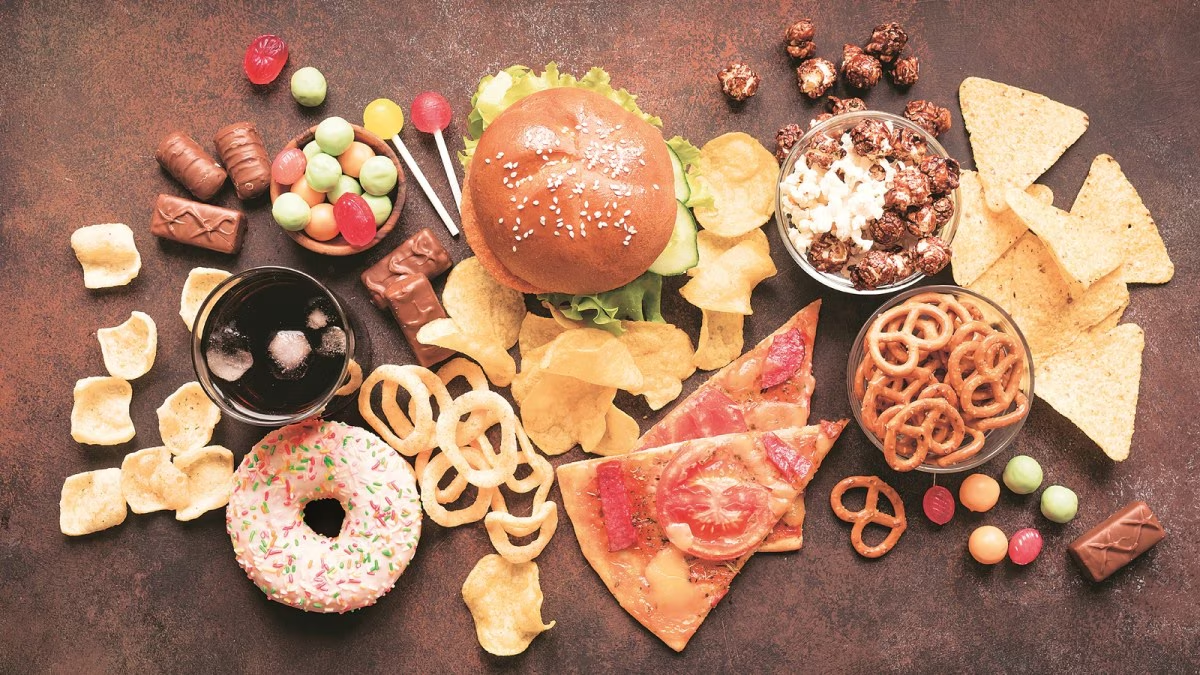
The Johns Hopkins Journal of Medicine describes ultra-processed foods as products heavily modified through industrial techniques, with little or no whole-food ingredients. They often contain added sugars, excess salt, artificial colors and flavors, emulsifiers and stabilizers, high-fructose corn syrup, and hydrogenated or refined oils.
Common Examples of Ultra-Processed Foods include:
-Frozen ready-made meals
-Ice cream
-Reconstituted meat products (e.g., sausages, nuggets)
-Sugar-sweetened beverages
-Protein bars and shakes
-Canned or instant soups
These foods are engineered to be hyper-palatable, meaning they are designed to taste very good and make you want more. They also have a long shelf life, are inexpensive, and require no preparation, all of which make them a convenient fit for our busy lives. Food companies are exceptionally skilled at creating products that are convenient, tasty, and repeatable. They are not necessarily trying to harm consumers; they are responding to a market where people demand quick meals that fit into demanding lifestyles. The problem is that convenience often comes at the cost of nutrition.
Why Ultra-Processed Foods Are a Health Concern
Ultra-processed foods typically contain very little dietary fiber. Over time, a low-fiber diet can:
-Disrupt normal gut activity
-Increase the risk of constipation
-Raise the likelihood of diverticulitis
-Impair blood sugar control (raising risk of Type 2 diabetes)
-Increase long-term risk of obesity
-Be associated with higher colorectal cancer risk
Fiber feeds beneficial gut bacteria, supports digestion, and helps regulate blood sugar, all things that Ultra-processed foods fail to do.
Also, ultra-processed foods are strongly linked to poorer heart health. Their common ingredients: trans fats, excessive saturated fats, preservatives, and artificial additives contribute to higher bad cholesterol (LDL), chronic inflammation, and hardening of blood vessels, leading to high blood pressure.
Research published in major medical journals has found that higher intake of ultra-processed foods correlates with increased risk of cardiovascular disease and premature death. While correlation does not always mean direct causation, the consistency of findings across populations makes this link hard to ignore.
A Simpler, Healthier Guideline
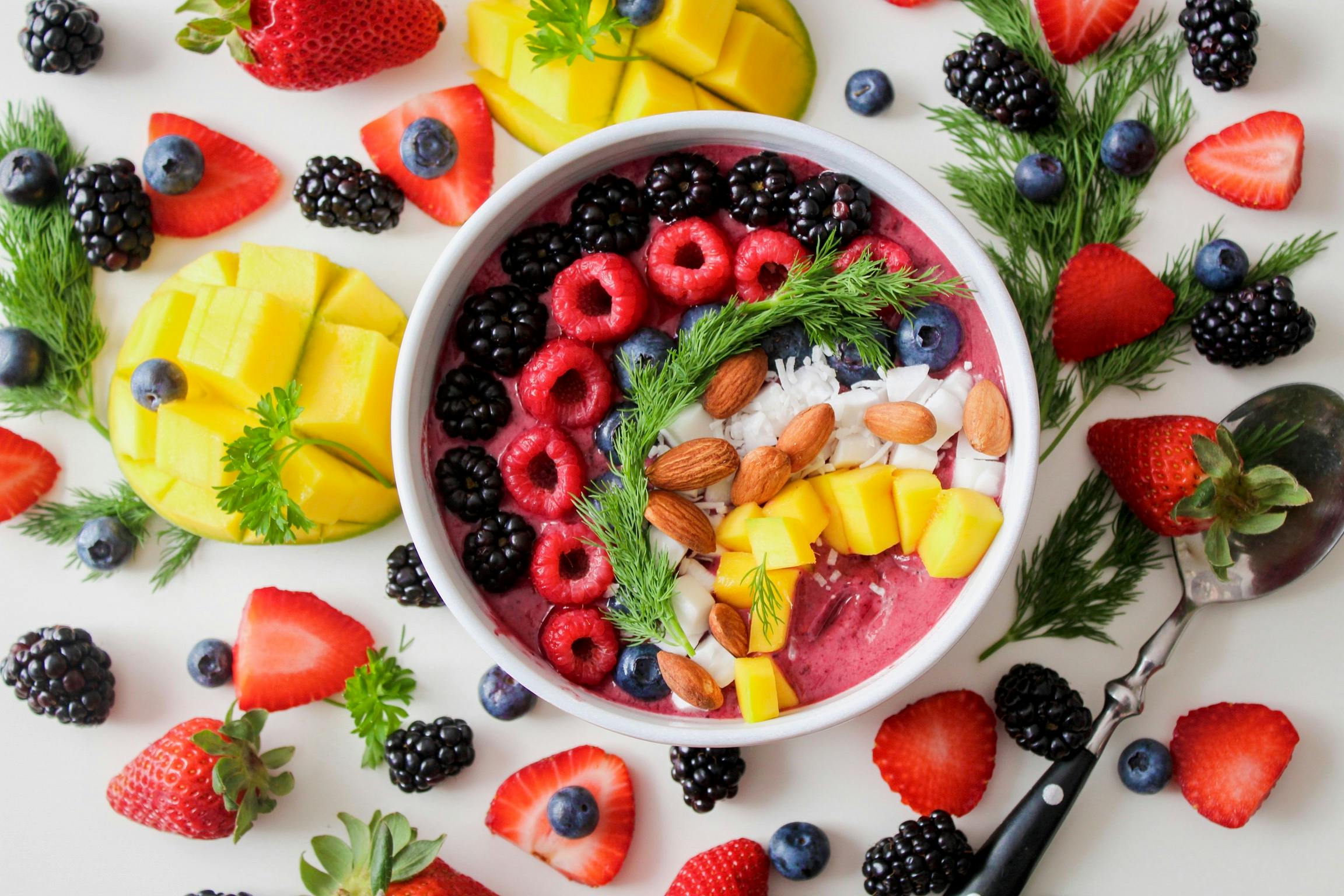
The same advice nutritionists have repeated for decades still holds: Foods closer to their natural state, fresh fruits, vegetables, whole grains, legumes, nuts, and lean proteins, provide higher nutritional quality and fewer harmful additives. These foods support gut health, improve heart health, provide essential vitamins and minerals, help maintain a healthy weight, and reduce the risk of long-term disease.
The next time you reach for an energy drink instead of an apple, or a pack of cookies instead of whole-grain bread, remember this: Your taste is temporary, but the effects of your choices last far longer than the cravings that caused them.
Sources
1. Most of the Foods We Eat Are Ultra-Processed. Are They All Unhealthy?
https://publichealth.jhu.edu/2025/what-are-ultra-processed-foods
2. Ultra-Processed Foods: A Global Threat to Public Health