
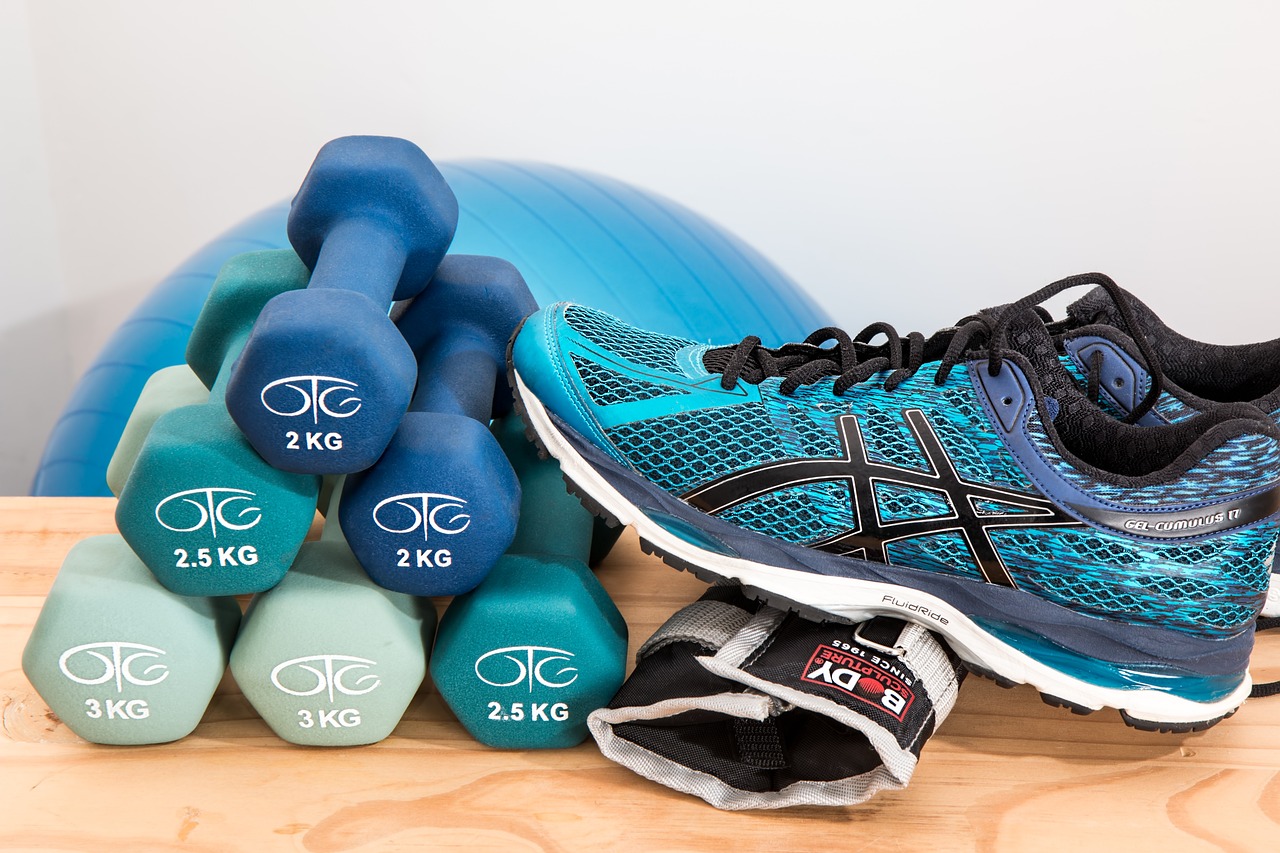
Physical fitness is our body’s ability to function efficiently and effectively under all conditions, to be healthy, to resist diseases, and to meet emergencies. Living a sedentary lifestyle predisposes us to certain diseases that can be avoided by engaging in workout programs in the gym, outdoors, or from the comfort of our homes. Staying physically active improves our overall health and increases our body’s ability to resist disease and respond to emergencies.
Four Categories of Absolute Rates of Energy Expenditure
-Sedentary Activity
Sitting and reading or watching television, or standing quietly
No exercise
-Light Intensity
Walking at a slow pace (2mph/3.2kmph or less) or cooking
Some exercise, up to 150 minutes a week
-Moderate Intensity
Walking briskly (3-4m/h, but not racewalking), water aerobics, bicycling slower than 10m/h(16km/h), tennis (doubles), general gardening.
Exercise 150 to 300 minutes a week
-Vigorous Intensity
Racewalking, jogging, or running
Swimming laps
Tennis (singles)
Bicycling 10m/h(16 km/h) or faster, skipping rope, heavy gardening (continuous digging or hoeing, with heart rate increases), hiking uphill or with a heavy backpack
Exercise more than 300 minutes a week
Proper Fitness Gear
-Proper Training Clothing
While exercising, you should wear lightweight garments that offer maximum freedom of movement and are appropriate to climatic conditions. When exercising in an urban area, use brightly colored garments and reflective materials for safety.
Exercise generates heat, so it's better to dress in layers that can be removed as soon as you start perspiring. If it's very cold, consider wearing a face mask or scarf to warm the air before it enters the lungs.
-Proper Training Shoes
Feet bear the weight of the whole body; therefore, shoes must be comfortable, well-fitting, and supportive. Look for athletic shoes with absorbent cushioning, appropriate arch support, a solid, snug heel cup, flexibility, breathability, and good lacing so you can adjust the tightness without pinching your feet.
Health Benefits Associated With Regular Physical Activity
Studies show that people who are physically active for approximately seven hours a week have a 40% lower risk of dying prematurely than those who are active for fewer than 30 minutes a week. There's a substantially lower risk of premature death when people do 2 1⁄2 hours of at least moderate-intensity aerobic physical activity a week.
Children And Adolescents
Strong Evidence
-Improved Cardiorespiratory And Muscular Fitness
-Improved Bone Health
-Favorable Body Composition
Moderate Evidence
-Reduced Symptoms Of Depression
Adults And Older Adults
Strong Evidence
-Lower Risk Of Early Death
-Lower Risk Of Coronary Heart Disease
-Lower Risk Of Stroke
-Lower Risk Of High Blood Pressure
-Lower Risk Of Type 2 Diabetes
-Lower Risk Of Colon Cancer
-Lower Risk Of Breast Cancer
-Prevention Of Weight Gain
-Weight Loss, Particularly When Combined With Reduced Calorie Intake
-Reduced Depression
-Better Cognitive Function (For Older Adults)
Moderate To Strong Evidence
-Better Functional Health (For Older Adults)
Moderate Evidence
-Lower Risk Of Hip Fracture
-Lower Risk Of Lung Cancer
-Lower Risk Of Endometrial Cancer
-Weight Maintenance After Weight Loss
-Increased Bone Density
-Improved Sleep Quality
Sources
1. 2018 Physical Activity Guidelines Advisory Committee Scientific Report, pp. 760
https://odphp.health.gov/sites/default/files/2019-09/PAG_Advisory_Committee_Report.pdf
2. CELEBRATIONS